
By Coats Mechanical LLC Editorial Team · Updated September 30, 2026 · 6 min read
Why Does Leander's Climate Strain Your HVAC?
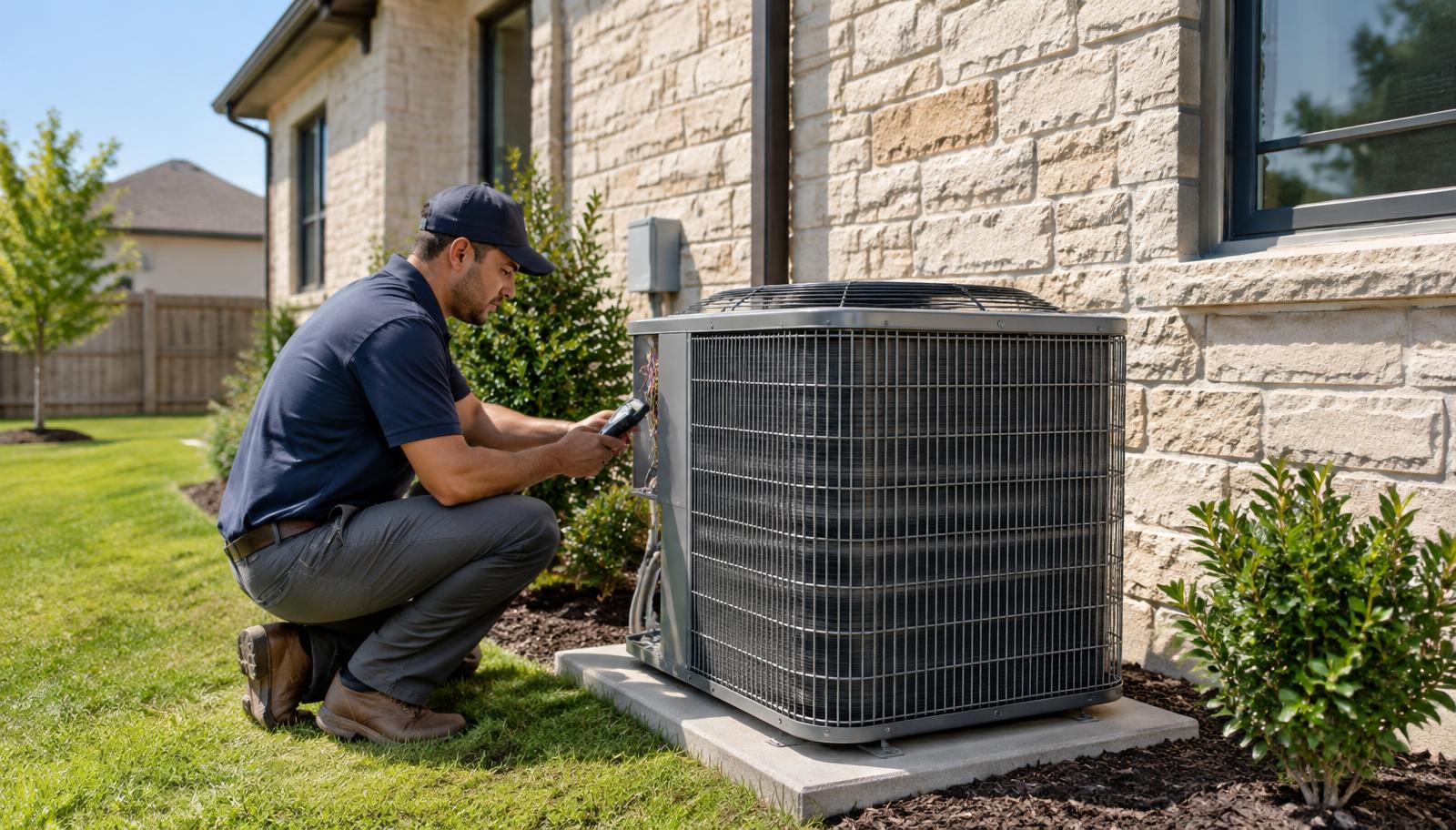
Preventative maintenance keeps energy costs in check even as Texas homes average $170.63 monthly on electricity. Regular tune-ups from Coats Mechanical LLC, backed by over 20 years of Central Texas experience, help Leander homeowners maximize HVAC efficiency and minimize strain during long, hot summers. Neglected systems strain harder, which is why our maintenance plans include coil cleaning, refrigerant checks, and electrical inspections to prevent costly breakdowns.
Leander's weather doesn't hold back. Summers are long and hot, and winters can sneak in with sudden cold snaps. This constant push and pull forces an HVAC system to work harder and longer than equipment in milder climates, which directly translates into higher monthly energy bills for homeowners.
Central Texas is hard on equipment. Long cooling seasons, dust, and heavy run hours accelerate wear on capacitors, contactors, blower motors, and coils. When components degrade, the system loses efficiency and consumes more power to deliver the same comfort, which is why the energy efficiency HVAC tips Leander residents actually use focus on reducing that strain rather than just masking the symptoms.
How do long cooling seasons increase wear on components?
Leander's extended cooling season means the system cycles frequently for months on end. Each cycle stresses the electrical components and mechanical parts, and the dust in the air coats the coils and blower. That buildup insulates the coils, forcing the compressor to work harder and draw more electricity to reject heat.
What happens to an HVAC system during a sudden cold snap?
A sudden cold snap catches homeowners off guard. The system switches from cooling to heating, and the rapid change in operation can expose weak spots in the electrical system. A failing capacitor or worn contactor often gives out right at that transition, leaving a home without heat until a repair is made.
What Simple Filter Change Saves the Most Energy?
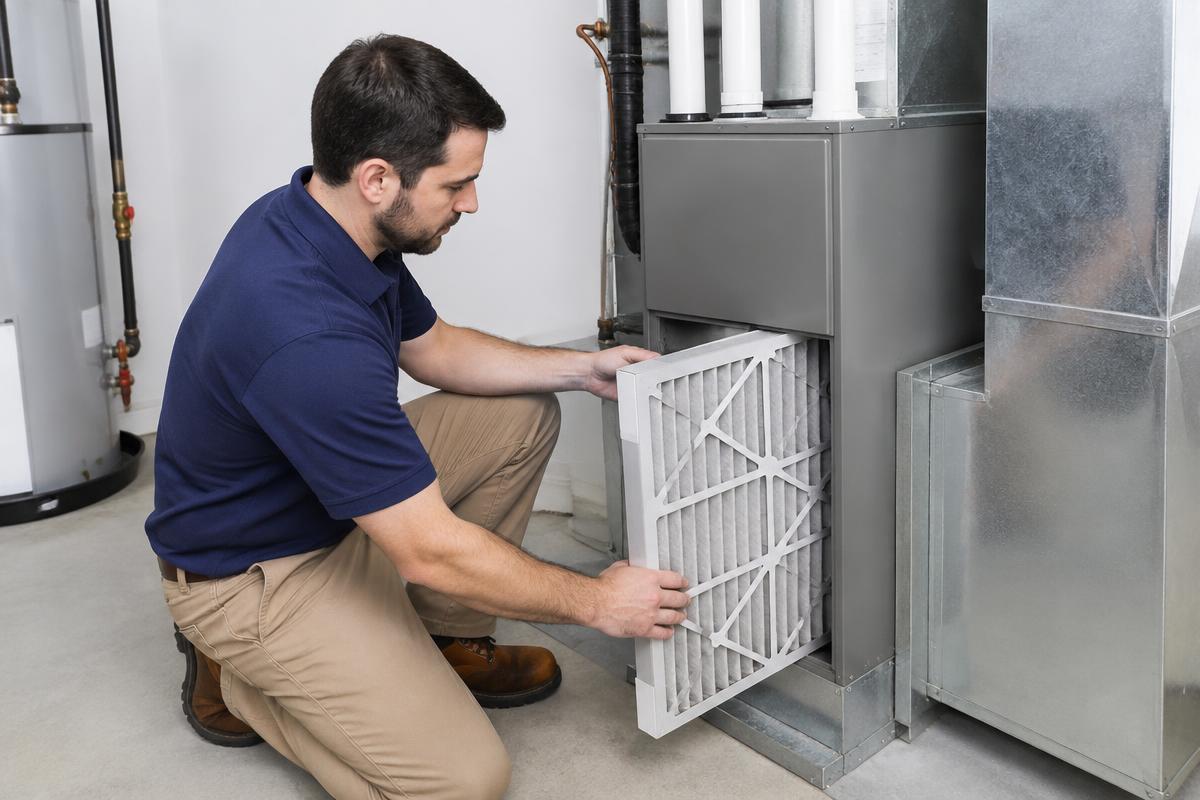
Replacing a dirty air filter with a clean one is the single most effective energy-saving step a Leander homeowner can take. It improves airflow and can cut cooling costs by up to 15 percent. A clogged filter forces the blower motor to work harder, which wastes electricity and shortens the life of the equipment. In a climate like Leander's, where summer heat runs long and hard, that wasted energy shows up directly on the monthly bill.
The filter is the first line of defense for the entire system. When airflow is restricted, the system runs longer to reach the thermostat setting. Longer run times mean more energy consumed and more wear on critical parts like the blower motor and compressor.
How often should a homeowner change the filter?
Most manufacturers recommend changing a standard 1-inch filter every 30 days. Homes with pets, heavy dust, or construction nearby may need a change every three weeks. A monthly replacement schedule keeps the system running at peak efficiency through the hottest months. Marking the calendar or setting a phone reminder makes this habit automatic.
What happens when a filter is left too long?
A neglected filter allows dust and debris to accumulate on the evaporator coil. That buildup insulates the coil and reduces its ability to absorb heat. The system then struggles to cool the home, running longer and consuming more power. Over time, this strain leads to premature breakdowns and costly repairs. Routine filter changes prevent this cascade of problems before they start.

How Does Thermostat Scheduling Lower Your Bill?
Setting a programmable thermostat to follow a daily schedule trims cooling costs without sacrificing comfort. The U.S. Department of Energy reports that setting the thermostat 7 to 10°F higher for 8 hours can save up to 10% on cooling costs. That simple adjustment means the air conditioner runs less during peak heat, when the system works hardest and uses the most electricity.
A schedule shifts the heaviest cooling load away from the hottest part of the day. The home warms up slowly while the family is away, so the system never fights a fully heated house at 5 p.m. That single change reduces run time, which lowers the monthly bill and extends equipment life.
How much can a thermostat schedule really save?
Savings depend on the home, the equipment, and existing habits. The 10% figure from the Department of Energy applies when the temperature is raised 7 to 10°F for a full 8 hours. A family that leaves for work at 8 a.m. and returns at 5 p.m. can shift the schedule to match that window exactly — meaningful savings with zero impact on comfort during occupied hours.
What is the best schedule for a Texas summer?
The ideal schedule follows the household's daily rhythm, not a fixed template. Set the temperature higher during away hours, then cool the home down 30 minutes before the family returns. Avoid dramatic temperature swings, which force the system to run longer to recover. A consistent schedule keeps the compressor cycling less, and less cycling means lower energy use and fewer repairs over time.
Does a smart thermostat beat a manual one?
A smart thermostat automates the schedule, so the homeowner never has to remember to adjust the temperature. Many models learn the household's patterns and adapt automatically, removing the human error that erases savings. Smart models also provide usage reports, making it easy to see exactly when the system runs hardest. For Leander homeowners, that visibility turns a vague goal into a measurable habit.
Quick Energy-Saving Checklist for Leander Homes
- Change filters every 30 daysEvery three weeks with pets, heavy dust or nearby construction
- Schedule maintenance twice a yearCoil cleaning, refrigerant checks and electrical inspections
- Seal ductwork leaksKeeps cooled air inside the living space instead of the attic
- Use a programmable or smart thermostatRaising it 7–10°F for 8 hours can save up to 10% on cooling
- Avoid dramatic temperature swingsLess recovery run time means lower bills and fewer repairs
Conclusion
In closing, optimizing your HVAC system's energy efficiency protects both your comfort and your wallet throughout Central Texas's demanding seasons. By implementing these practical strategies, from routine maintenance to smart thermostat adjustments, you take control of your home's performance and operating costs. When you're ready to maximize efficiency or need professional guidance tailored to your specific system, Coats Mechanical LLC stands ready with over two decades of expertise and straightforward service you can trust.