By Coats Mechanical LLC Editorial Team · Updated November 16, 2026 · 6 min read
When should you replace your AC in Leander?
An air conditioner eventually needs replacement after years of service. Frequent breakdowns, rising energy bills and uneven cooling are reasons to request a professional assessment. They do not automatically mean replacement is necessary: equipment condition, repair scope and the home's cooling needs help determine whether a repair or a new system makes more sense.
Central Texas heat puts aging equipment under heavy demand. Planning before a complete failure gives you time to compare proposals and discuss scheduling, rather than choosing equipment under pressure. Replacement timing depends on the assessment, equipment availability and the proposed work.
What are the warning signs an AC needs replacement?
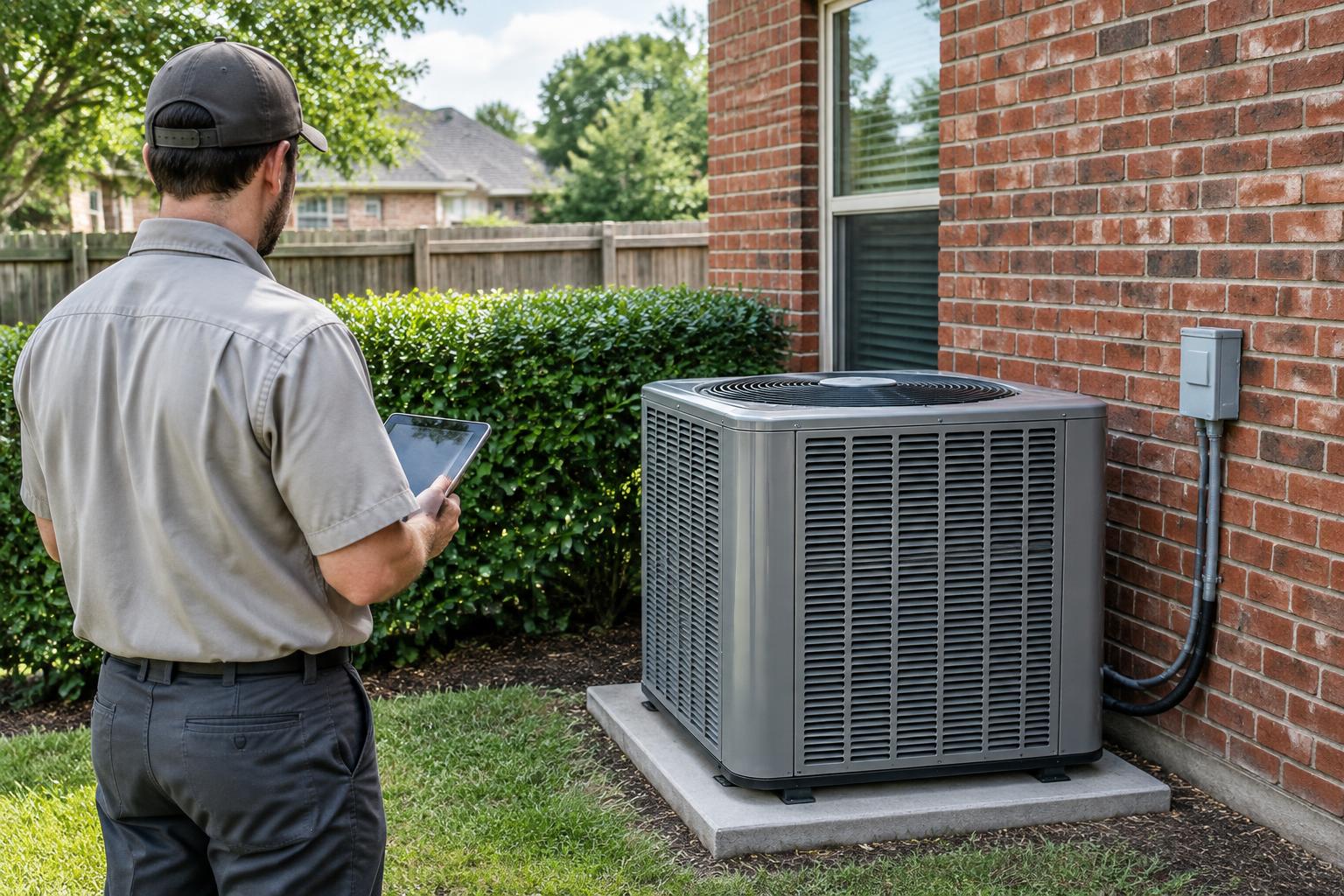
Frequent cycling, warm air and persistent indoor humidity can indicate performance concerns. Refrigerant leaks in older R-22 equipment also warrant a discussion about repair feasibility and replacement options. Ask how equipment age, condition, refrigerant availability and repair costs affect the recommendation instead of relying on age alone.
Grinding, rattling or screeching sounds may point to a component fault. A technician can identify the cause and explain the proposed repair. Compare that scope with replacement only where the findings make both options relevant.
How does a new AC system benefit a Leander homeowner?
Modern equipment can offer efficiency improvements over an older system. Compare the proposed unit's SEER2 rating and expected operating conditions; actual utility costs also depend on usage, weather, ductwork and the home's insulation. A higher efficiency rating is useful information, not a guarantee of a particular saving.
Coats Mechanical LLC is family-owned and brings over 20 years of experience to HVAC repair, installation, replacement and maintenance for residential and commercial equipment. Direct communication with Shad Coats helps homeowners understand equipment options and the proposed scope. Ask how sizing, duct condition and airflow will be assessed for your property.
What AC system types work best for Leander homes?
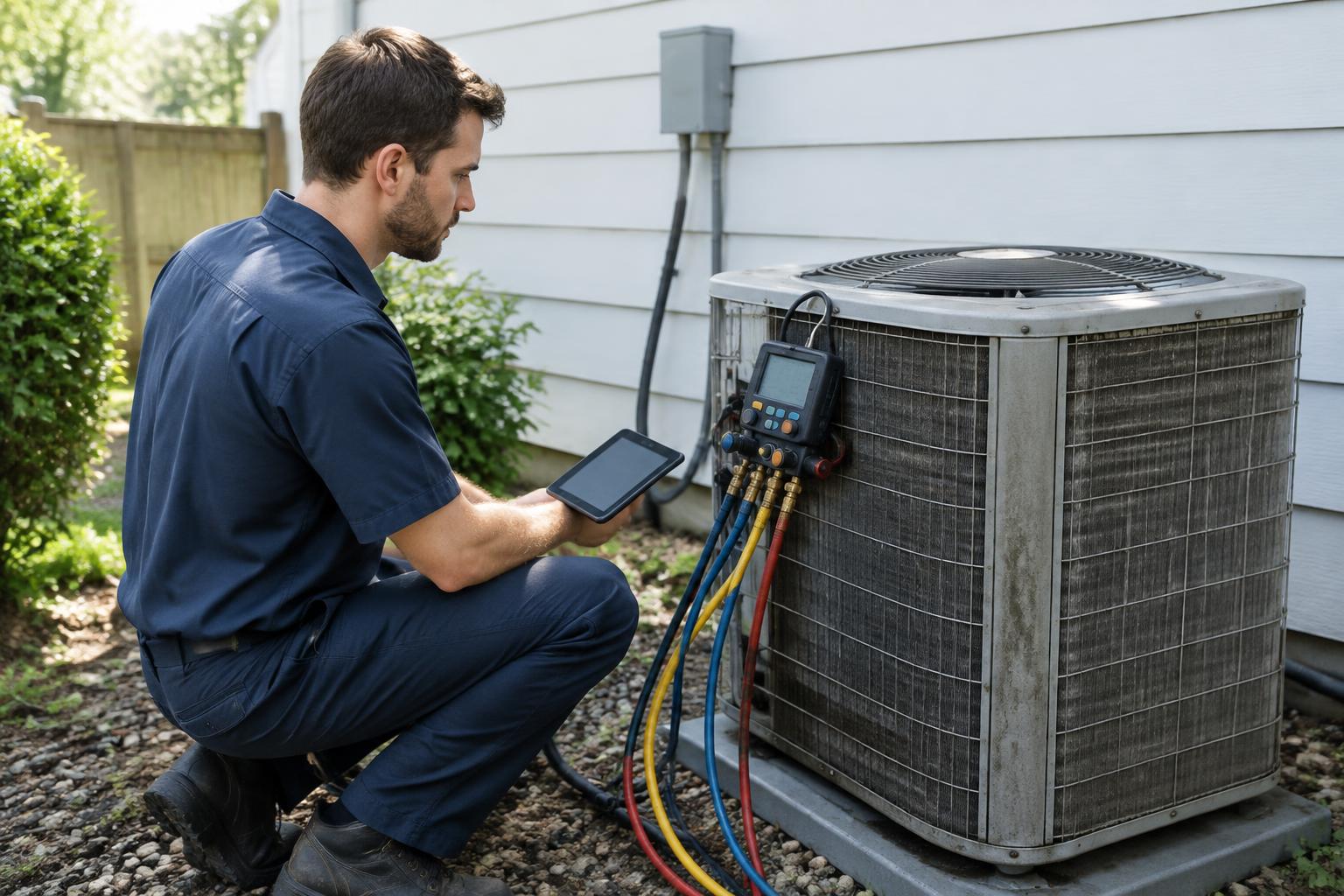
Central air, heat pumps and ductless mini splits serve different needs. The right choice depends on existing ductwork, the home's layout and your cooling and heating goals. Review the equipment included in the proposal and confirm compatibility with the rest of the system.
Central air is an option for homes with suitable existing ductwork and provides whole-home cooling. A heat pump can provide both heating and cooling. Ductless mini splits may suit homes without ducts, additions or individual zones, subject to an assessment of the space and installation requirements.
Within the proposed equipment range, single-stage systems operate at one cooling output, two-stage systems offer two output levels, and variable-speed equipment can adjust output across a wider range. Ask how these choices affect comfort, humidity control, initial cost and maintenance needs for your home.
What is the most energy-efficient AC type for a Leander home?
Heat pumps move heat rather than generating it directly and can be efficient in suitable conditions. Ductless systems avoid losses associated with distributing air through ducts. High-SEER2 central air equipment can also perform well when the duct system is appropriately designed, sealed and insulated.
No single system type is the best fit for every property. Compare rated efficiency alongside sizing, duct condition, installation scope and the way you use the home. Ask which factors support the recommendation and what alternatives are appropriate.
Can one system handle both heating and cooling in Leander?
A heat pump can provide heating and cooling through one system. Whether it replaces a separate furnace or needs supplemental heating depends on the equipment and the property's requirements. Discuss compatibility and the complete proposed configuration before choosing a replacement.
Based in Leander, Coats Mechanical LLC serves Leander, Austin, Round Rock, Cedar Park and Liberty Hill. Residential replacement and maintenance remain available alongside commercial HVAC and refrigeration service. Call to discuss your existing equipment, appropriate options and current availability.
How do you size and assess a replacement correctly?
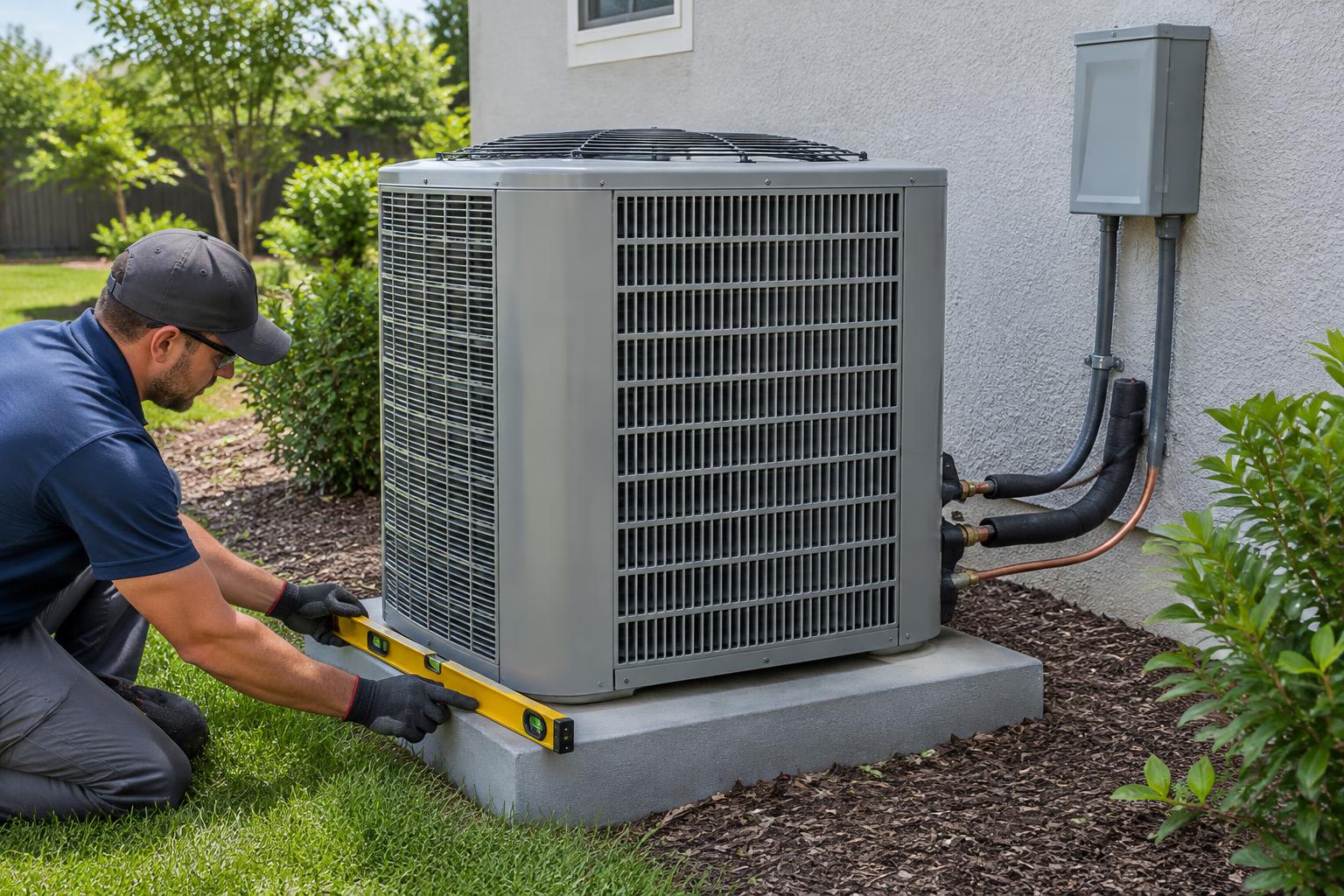
Proper replacement sizing starts with a professional load evaluation, not a guess based only on square footage or the old unit's capacity. An oversized unit may cycle too briefly to manage humidity effectively. An undersized unit may struggle to meet demand. Equipment selection should reflect the home's actual cooling load.
Ask whether the proposal includes a load calculation and an assessment of ductwork and airflow. Understanding these steps helps you compare proposals that may otherwise list similar equipment but cover different work.
What factors determine the right system size?
A Manual J load calculation considers the specific conditions of the home. Relevant factors include square footage and ceiling height; window count, orientation and glazing; insulation levels; air leakage and ductwork condition; and occupants and heat-generating appliances.
Discuss which evaluation is appropriate for your replacement and ask for a clear explanation of the findings. A larger unit is not automatically a better choice. The recommendation should account for the property's needs and the proposed system's performance.
Can an existing system's performance guide the replacement?
Past performance offers useful clues but does not replace a fresh assessment. Tell the technician about difficulty cooling on hot afternoons, short run times in mild weather, uneven room temperatures or humidity concerns. Share recent repair history and changes to the home when available.
Duct deficiencies can resemble equipment problems. Reviewing duct condition and airflow helps distinguish a capacity issue from a distribution issue. Ask how the proposed work addresses the findings so the replacement decision is based on the full system rather than symptoms alone.
Questions to ask about your replacement proposal
- Equipment optionsCompare system type, operating stages and rated efficiency.
- Sizing and airflowAsk how load, duct condition and airflow inform the recommendation.
- Included workConfirm equipment, installation tasks and any applicable alternatives before approval.
- Timing and costDiscuss the proposed price, equipment availability and scheduling.
Conclusion
Replacing an aging air conditioner is a decision about equipment condition, the home's cooling needs and the proposed scope—not capacity alone. A professional assessment helps you compare repair and replacement where appropriate, understand efficiency options and choose equipment suited to your property. Call Coats Mechanical LLC or use the contact form to discuss air conditioner replacement in Leander.